
What makes fitted furniture feel finished
Better fit in awkward spaces
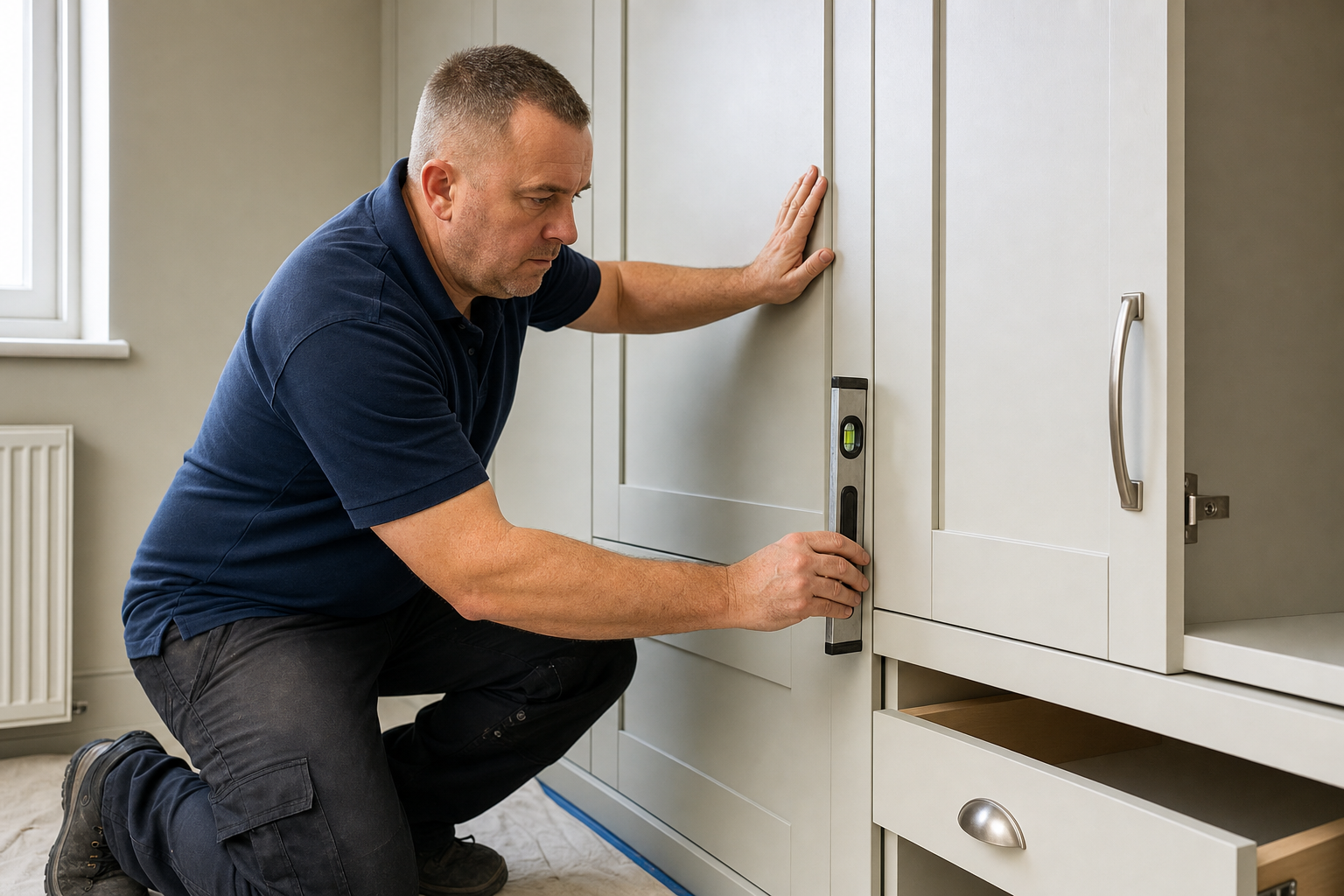
Floors, skirting and wall lines are considered before final positioning.
Doors and drawers aligned
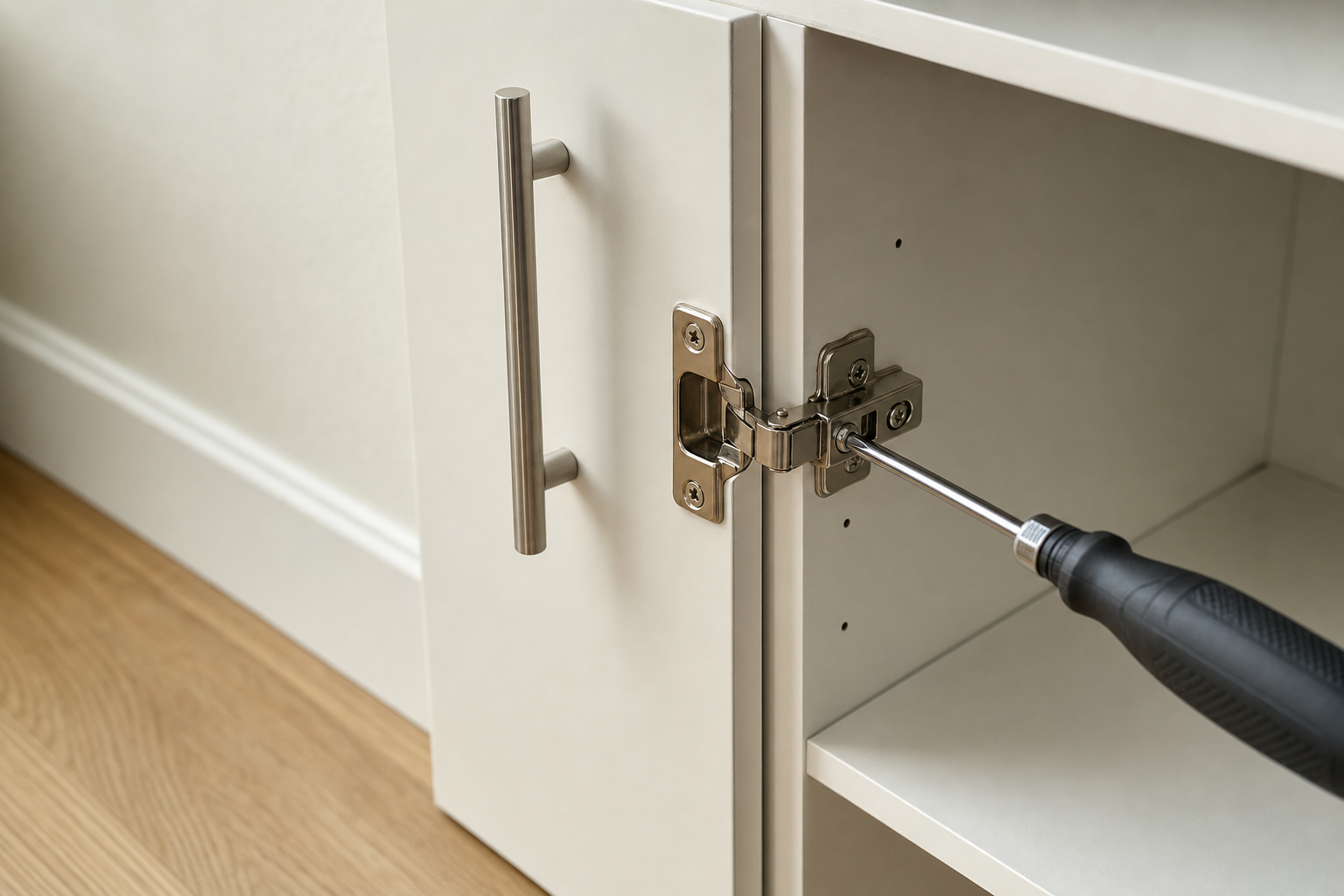
Hinges, handles and moving parts are adjusted once fitted.
Stable where it matters
Anchoring can be considered when the design and surface call for it.
Get furniture sitting right in the space
Getting furniture into position is one thing. Getting it to sit level, line up properly and work as it should is another. We fit ready-made furniture and furniture components so units settle properly in the space you have, not just roughly where they land after delivery. That can include joining adjacent units, fitting doors or handles, adjusting hinges and placing pieces securely in their intended position. With Unique Home Improvements, practical issues such as uneven floors, wall lines, skirting boards and tight clearances are taken into account, because those are the things that decide whether the finished job looks tidy or slightly off forever.
Alignment, movement and stability all checked
Some furniture needs more than simple placement. Stability may depend on how the unit is designed, what surface it sits against and whether anchoring is appropriate for the setting. We work through the fitting carefully, then check doors, drawers, joints and visible alignment once everything is in place. That means the job is judged by how the furniture works, not just whether the last screw went in. For homes and rentals, furniture fitting through Unique Home Improvements stays neat, usable and suited to the room around it.
Frequently asked questions
Can you join units together or fit doors and handles?
Yes. Jobs can include joining adjacent units, fitting doors or handles and adjusting hinges so everything lines up properly. That sort of detailed finishing often makes the difference between furniture that merely fits the room and furniture that actually works well in it.
Do walls, floors or skirting boards affect the fitting?
Very often, yes. Uneven floors, wall lines, skirting boards and tight gaps can all affect how a unit needs to be positioned and adjusted. Taking those details into account is what helps furniture sit level, align properly and avoid that slightly skewed look that nags at you later.
When is anchoring furniture worth considering?
That depends on the design of the furniture, how tall or narrow it is, the room it is in and the surface available for fixing. Where stability matters, we can consider anchoring as part of the fitting so the finished piece feels more secure in everyday use.